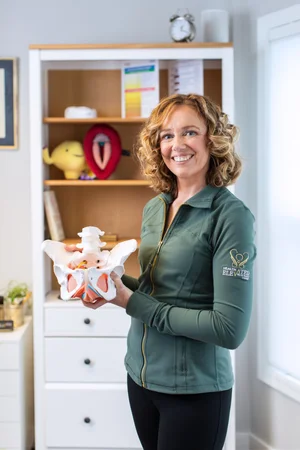
Pelvic Floor Therapy for Ehlers-Danlos Syndrome (EDS) in St. Joseph, Michigan
If you are living with Ehlers-Danlos syndrome (EDS) or generalized hypermobility and struggling with pelvic pain, bladder leakage, constipation, or a feeling of instability in your core, you are not alone. At Health Elevated in St. Joseph, Michigan, I specialize in pelvic floor therapy for individuals with connective tissue disorders who need more than generic advice or standard Kegels.
As a pelvic health therapist, I see at least 1–2 hypermobile patients every week. Many were once “bendy kids” who are now stiff, tight adults dealing with chronic pelvic floor dysfunction.
Why Hypermobility Affects the Pelvic Floor
EDS is a connective tissue disorder that impacts collagen, the protein responsible for giving our joints, ligaments, and tissues structure and stability. When collagen is more lax, joints move beyond their normal range of motion. While this can make someone a fantastic dancer, gymnast, or yogi, it can also create instability in the core and pelvis.
The pelvic floor muscles are designed to act like a supportive hammock. But in hypermobile bodies, the tissues that hold everything together are stretchier and less supportive. This means the pelvic floor often has to “pick up the slack”—working overtime to stabilize the pelvis, bladder, and organs. Over time, this can contribute to symptoms like:
Pelvic organ prolapse
Urinary leakage or urgency
Constipation or bowel dysfunction
Pelvic pain including tailbone or SI joint pain
Painful intercourse
Feeling of heaviness or instability in the pelvis
From “Bendy Kids” to “Stiff Adults”
A theme I hear again and again is that many hypermobile clients described themselves as “bendy kids”—able to do the splits, twist into unusual positions, or always be chosen for flexibility-based sports or activities. But as they’ve gotten older, many now feel the opposite: stiff, tight, and restricted.
This isn’t a contradiction—it’s the body’s natural response to instability. When joints and connective tissues are too lax, the muscles (including the pelvic floor) tighten up as a protective mechanism. Instead of feeling flexible, adults with EDS or hypermobility often feel like they’re “locked up” or constantly bracing, which can lead to pain, fatigue, and worsening pelvic symptoms.
Common Patterns I See in Clinic
Many of my hypermobile patients are told they have “weak pelvic floor muscles” and are encouraged to just do Kegels. But in reality, their muscles are often overactive—gripping and tightening in an attempt to stabilize lax connective tissues. This mismatch leads to fatigue, pain, and worsening symptoms.
That’s why treatment for someone with EDS or generalized hypermobility is never a one-size-fits-all approach. Therapy often includes:
Gentle strengthening that emphasizes control and endurance (not just brute force).
Strategies to reduce overactivity and allow the muscles to relax.
Breathwork and core coordination (360 breathing).
Education on joint protection and posture for daily life.
One patient recently shared:
“It is such a relief to work with someone who is truly knowledgeable about Ehlers-Danlos syndrome and understands the nuances of living with EDS… Amy has been instrumental in helping me learn how to get my core to relax and function in conjunction with my body rather than constantly fighting against it.”
Building Awareness and Support
So many people live with pelvic floor dysfunction without realizing that their flexibility—or their shift from “bendy to stiff”—may be part of the underlying cause. By screening for hypermobility in my practice, I can help patients finally understand why they’ve struggled for years—and give them tools tailored to their bodies.
I’m also excited to share that I’ve added my name to the official EDS Healthcare Professionals Directory. This means more clients living with EDS will be able to find the pelvic health support they need here in Southwest Michigan.
If you’ve been told you’re “just flexible” but are now feeling stiff and struggling with pelvic floor issues, you’re not alone. With the right evaluation and treatment, it’s possible to restore stability, decrease pain, and regain confidence in your body.
Schedule your evaluation today to find out if your bendy body is the culprit.