If you’re planning a hysterectomy—or recovering from one—you’ve likely been given instructions about the surgery itself.
What’s often missing is how to prepare your body beforehand and how to support recovery in a way that actually helps you feel better long-term.
One of the biggest mistakes I see? Waiting too long to start pelvic floor therapy.
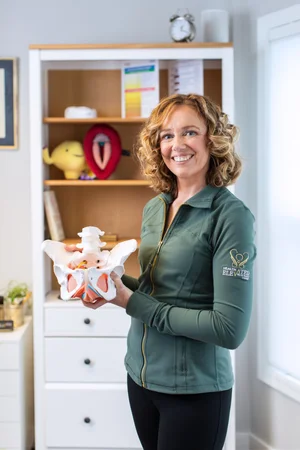
At Health Elevated in St. Joseph, Michigan, I work with women before and after hysterectomy to support healing, reduce symptoms, and restore function.
How a Hysterectomy Affects Your Body
A hysterectomy can impact more than just your uterus. It can affect:
Your pelvic floor muscles
Core strength and coordination
Bladder and bowel function
Scar tissue and mobility
After surgery, some women notice:
Urinary urgency or leaking
Pelvic pressure or heaviness
Constipation
Pain with movement or sex
A feeling of weakness or disconnect through the core
These are common—but they’re also treatable.
Why Start Pelvic Floor Therapy Before Surgery
Pelvic floor therapy before a hysterectomy helps you:
Understand how to properly use your pelvic floor (not just Kegels)
Improve breath and core coordination
Address any existing symptoms
Feel more prepared going into surgery
Even one visit can make a difference in how you approach recovery.
When to Start Pelvic Floor Therapy After a Hysterectomy
This is where timing matters most.
You do not need to wait 4–6 weeks to start.
You can begin pelvic floor therapy as soon as you feel comfortable driving to the office.
Starting earlier helps:
Support healing right away
Prevent compensation patterns
Reduce the risk of ongoing symptoms
Not ready to leave the house yet? We also offer telehealth appointments, so you can begin with guided support from home.
The sooner you start, the easier it is to support your body before problems set in.
What Pelvic Floor Therapy Helps With
Pelvic floor therapy after hysterectomy can help:
Restore core and pelvic floor coordination
Improve bladder and bowel function
Reduce pain, including pain with sex
Improve scar mobility (even laproscopic scars)
Support return to exercise and daily life
Pelvic Floor Therapy in St. Joseph, MI
Health Elevated is located in downtown St. Joseph, Michigan, serving women throughout Southwest Michigan including Benton Harbor, Stevensville, and Niles.
All sessions are one-on-one and tailored to your body and your recovery.
The Bottom Line
A hysterectomy may be the right step for your health—but how you prepare and recover matters.
You don’t have to wait for something to feel wrong to get support.
And in many cases, waiting makes recovery harder than it needs to be.
Ready to feel more prepared or supported?
Call or text 269-262-1403 to schedule an evaluation.